
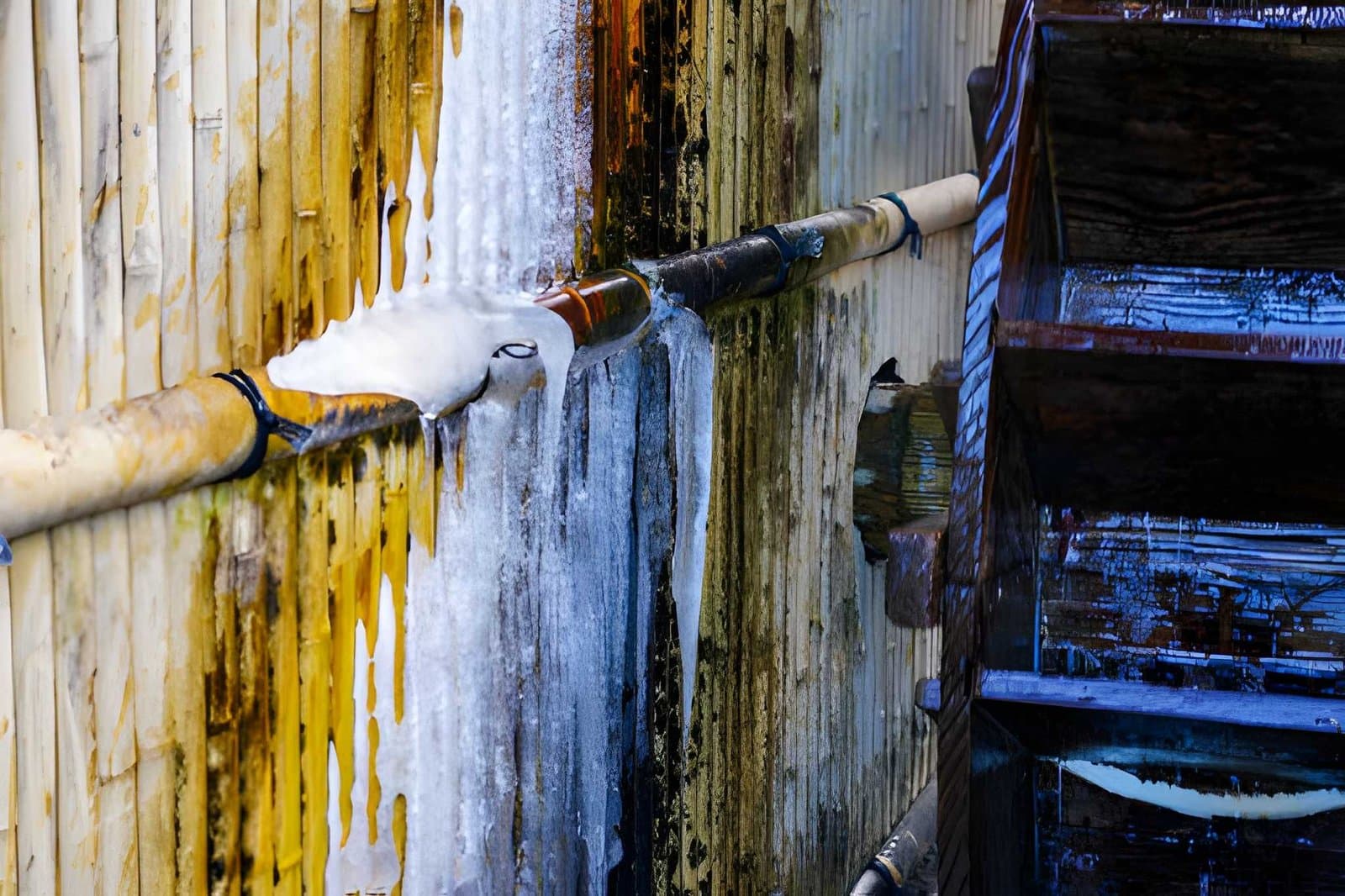
How to Prevent Frozen Pipes in Fort Collins
Fort Collins winters get cold enough to freeze unprotected pipes. When water freezes, it expands and can split a pipe open. A single burst pipe can flood a home in minutes. The good news is that prevention is simple and cheap. Here is how to keep your pipes from freezing this winter.
Key Takeaways
- Insulating pipes and sealing drafts are the cheapest ways to prevent freezing.
- Let faucets drip during deep freezes to relieve pressure.
- A burst pipe can cause major water damage, so prevention pays off.
Why Frozen Pipes Are So Dangerous
Frozen water expands with surprising force. That pressure can crack copper, PVC, and PEX alike. When the ice thaws, water pours from the split. Pipes in unheated spaces are most at risk. The National Weather Service warns that extreme cold threatens home plumbing.
Simple Steps to Prevent Frozen Pipes
A few habits protect your plumbing all winter:
- Insulate pipes in the attic, garage, and crawl space.
- Seal drafts near pipes along exterior walls.
- Open cabinet doors to let warm air reach pipes.
- Keep your thermostat steady, day and night.
- Disconnect and drain garden hoses before the freeze.
During a Deep Freeze
Let cold-side faucets drip during extreme cold. The American Red Cross recommends running water and pipe sleeves. Keep the heat on even when you travel. Never set the thermostat below 55 degrees.
If a Pipe Bursts Anyway
Sometimes pipes freeze despite your best efforts. Shut off the main water valve right away. Open faucets to drain the system and ease pressure. If a pipe does burst, fast water damage restoration in Fort Collins limits the damage. For frozen and burst lines, our burst pipe cleanup team can help.
Which Pipes Freeze First
Not every pipe faces the same risk. The ones in cold, exposed spots go first. Knowing them tells you where to focus.
The Usual Trouble Spots
Pipes in attics, garages, and crawl spaces are most exposed. Lines inside exterior walls lose heat fast. Kitchen and bathroom pipes on an outside wall are common freeze points.
Why Location Matters
A pipe in a heated interior wall rarely freezes. The same pipe near an outside wall can freeze overnight. Targeting the exposed runs protects the whole system.
Pipe Insulation Options
Insulation is the cheapest, most effective defense. A few products handle most homes. Pick the one that fits the location.
Sleeves and Foam
Foam pipe sleeves slip over exposed lines in minutes. They are inexpensive and easy to install yourself. Cover every run in an unheated space.
Heat Tape and Cable
For high-risk pipes, add UL-listed heat tape or heat cable. It warms the pipe directly during deep cold. Keep it plugged in and follow the instructions closely.
How Much to Drip and When to Worry
A dripping faucet is a proven backup on cold nights. But you do not need every tap running. A little knowledge saves water and pipes.
Which Faucets and How Much
Drip the cold side of faucets farthest from where water enters. A thin, steady stream keeps water moving. You do not need a full flow.
When to Worry
Start protecting pipes when temperatures near 20 degrees. Wind and prolonged cold raise the risk further. Fort Collins cold snaps are exactly when to act.
How to Safely Thaw a Frozen Pipe
A frozen pipe that has not burst still gives you time. Acting carefully now can prevent a split. Speed and the right method both matter.
Open the Faucet First
Open the faucet that the frozen pipe feeds before you start. Flowing water helps melt the ice and eases pressure. Leave it open until full flow returns.
Apply Gentle Heat
Warm the pipe with a hair dryer, heat lamp, or hot towels. Never use an open flame on a pipe. Work from the faucet end back toward the frozen spot.
Stay Ahead of the Freeze
A little winter prep saves a lot of repair work. Our Invictus Restoration Services team handles Fort Collins water emergencies fast. If a frozen pipe bursts, our water damage restoration team is ready to respond. You can contact Invictus Restoration any time.
Frequently Asked Questions
Pipes can start freezing around 20 degrees Fahrenheit. Exposed pipes in unheated areas freeze fastest. Wind chill speeds the process.
Yes, a slow drip relieves pressure in the pipes. Drip the faucets farthest from where water enters. It costs little and prevents bursts.
Costs vary with the damage and water spread. Quick shutoff and drying keep costs lower. Prevention is far cheaper than repair.
Keep the heat on, set to at least 55 degrees. Have someone check the home during cold snaps. Consider shutting off and draining the water.
No, focus on the faucets farthest from where water enters. Drip the cold side during deep cold. A thin, steady stream is enough.
Insulate every exposed pipe with foam sleeves or heat tape. Seal drafts and keep cabinet doors open. Drain outdoor lines before the freeze.
Related Articles
You might also find these restoration tips helpful.
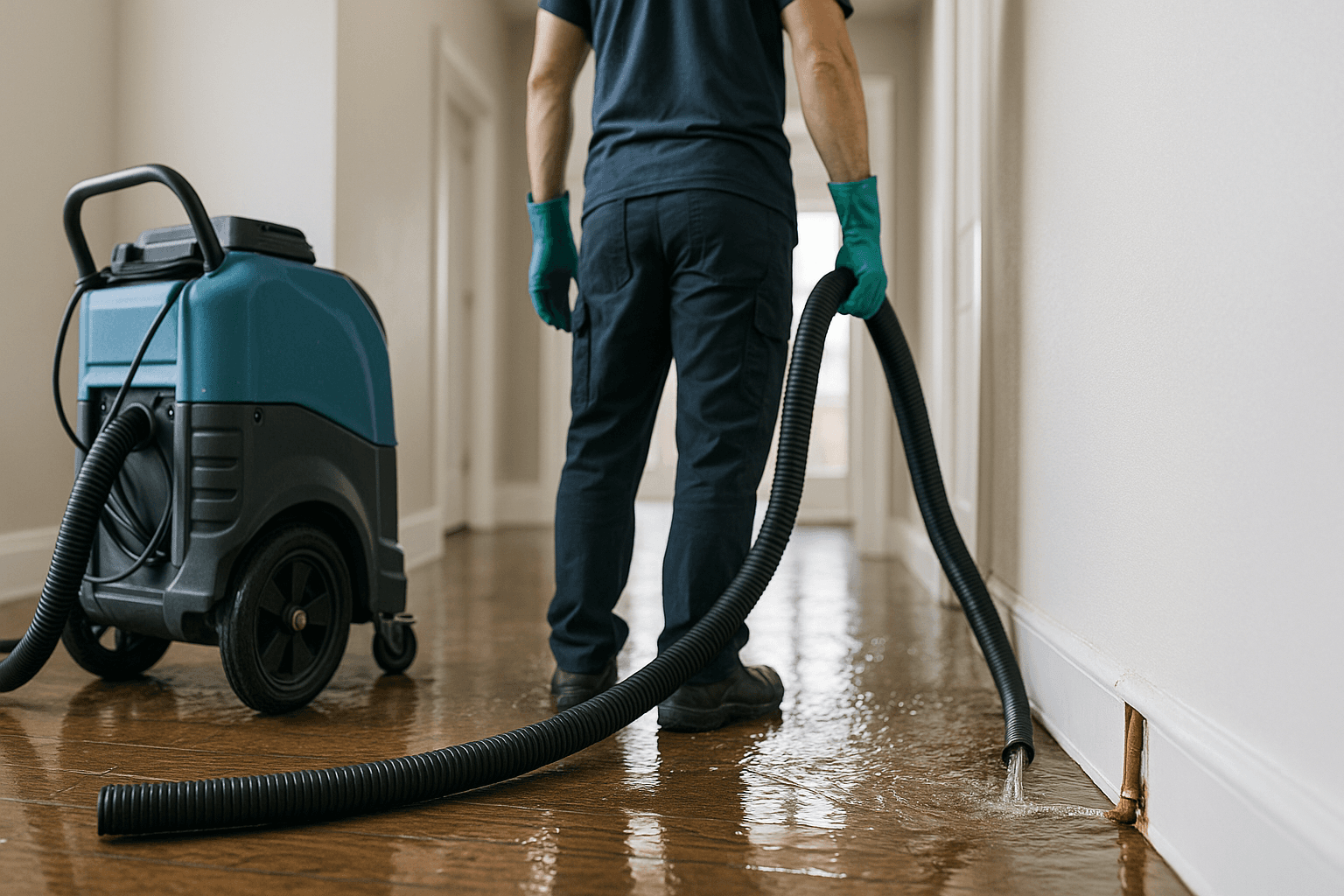
Burst Pipe Cleanup in Fort Collins, CO: What to Do Immediately After a Pipe Bursts
A pipe burst at 2 AM is the kind of emergency that costs tens of thousands - or a few hundred - depending on the first 15 minutes. Here is exactly what to do, in order.
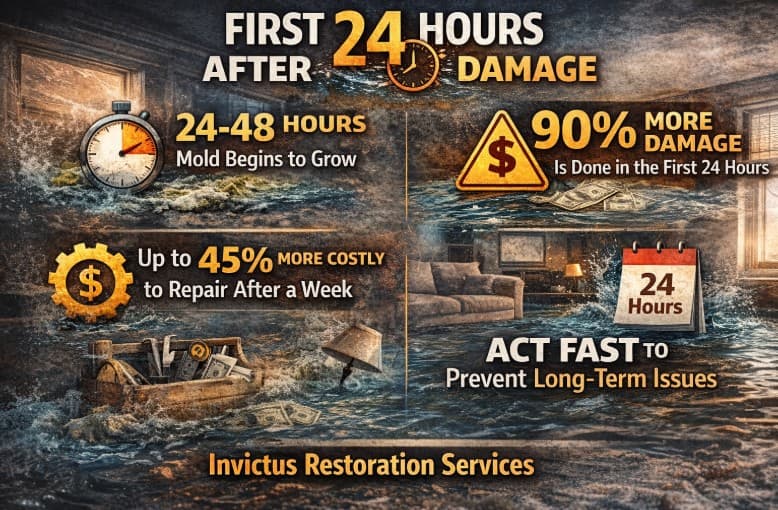
What to Do in the First 24 Hours After Water Enters Your Home
When water enters your house, it represents an unforeseen nightmare for all owners. Whether due to a broken pipe, appliance failure, flooding from rainfall, or broken sewer lines, the first 24 hours of responding to a request for restoration of water in your home are the most important to minimize damage to your property and encourage safe repairs.
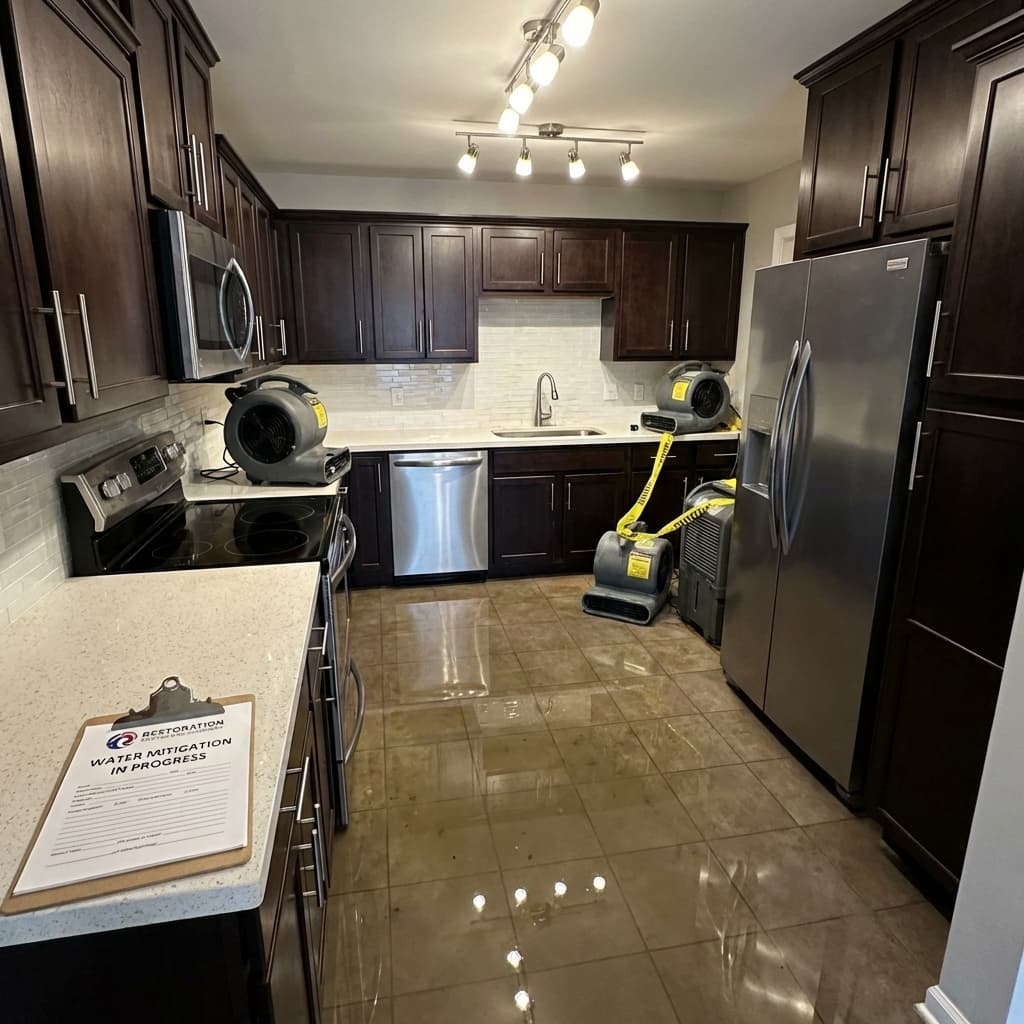
How to Spot Hidden Mold After Water Damage in Fort Collins Homes
Fort Collins homeowners often assume the dry Colorado air keeps mold away. But after a leak or flood, water soaks into wall cavities and subfloors where the...