
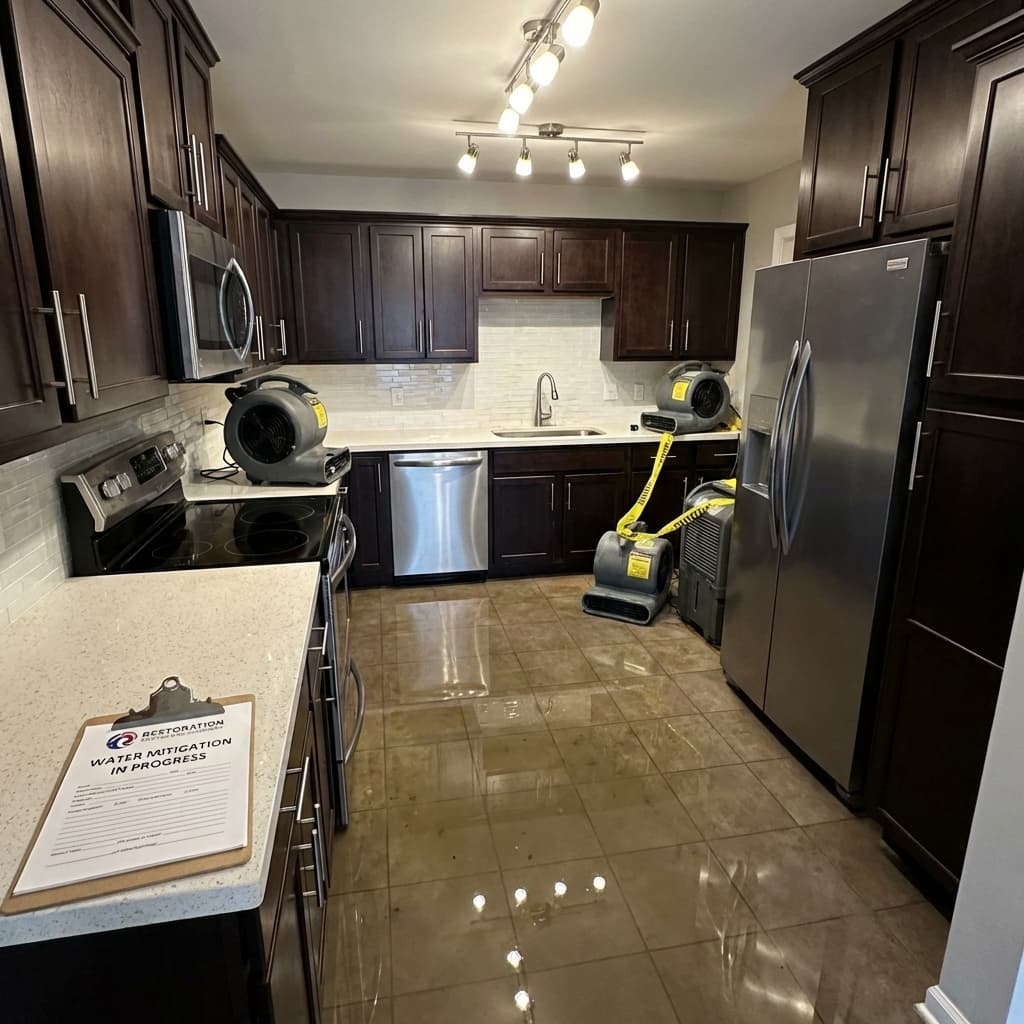
How to Spot Hidden Mold After Water Damage in Fort Collins Homes
Fort Collins homeowners often assume the dry Colorado air keeps mold away. But after a leak or flood, water soaks into wall cavities and subfloors where the air never reaches, and mold grows there out of sight. The dangerous mold is the kind you can't see.
This guide shows Fort Collins homeowners how to spot hidden mold after water damage: the warning signs, where it hides, how professionals detect it behind walls, and when the problem is past a DIY check.
Key Takeaways
- A persistent musty odor is often the first sign of hidden mold, even when nothing is visible.
- Mold hides behind drywall, under flooring, and in HVAC ductwork where moisture lingers.
- Pros use moisture meters and thermal cameras to find hidden mold without tearing walls open.
A Persistent Musty Odor
Smell usually comes before sight. A damp, earthy, musty odor that lingers after a leak is the most common first sign of hidden mold. Per the EPA's mold guidance, you may suspect hidden mold if your home smells moldy but you can't see the source, or if you know there's been water damage. Don't ignore a smell you can't explain.
Visible Spots and Discoloration
Even hidden mold often leaves clues on the surface. Look for dark spots or patches with a slimy or fuzzy texture, and discoloration creeping along baseboards, around windows, and under sinks. On walls and ceilings, watch for staining that appeared after the water event. These visible signs usually mean more mold is growing behind the surface.
Water Stains and Warped Surfaces
Yellow or brown water stains on drywall and ceilings signal moisture that can feed mold. Warped or buckling flooring, soft drywall, and bubbling paint all point to water trapped behind or beneath the surface. In Fort Collins homes, a stain that returns after painting means the moisture source is still active and mold may be working out of sight.
Where Hidden Mold Grows
- Behind drywall and wallpaper where leaks traveled
- Inside HVAC systems and ductwork, which spread spores
- Under carpets and padding and beneath flooring
- In the basement and crawl space after snowmelt or flooding
- Around windows, under sinks, and behind appliances
How Professionals Detect Hidden Mold
You can't always confirm hidden mold by sight, so pros use tools. Moisture meters find elevated moisture inside walls and floors, thermal cameras reveal cool, damp areas behind surfaces, and borescopes peek into wall cavities through a small hole. This lets a crew locate mold and the moisture feeding it without tearing your Fort Collins home apart first.
When to Call a Mold Pro
A small, visible surface spot under about 10 square feet can sometimes be cleaned yourself. Call a professional when you smell mold but can't find it, mold returns after cleaning, it followed flooding, or anyone has symptoms. Per CDC mold guidance, exposure hits sensitive groups hardest, so don't wait when symptoms appear. Pros find the hidden source and fix it.
Smell Mold but Can't Find It in Fort Collins?
A musty smell with no visible source is the classic sign that mold is working behind the surface. Finding the hidden moisture driving it is what a lasting fix depends on in any Fort Collins home.
Our mold remediation team at Invictus Restoration Services inspects Fort Collins homes with moisture meters and thermal imaging, locates hidden mold and its source, then removes it safely and dries the structure so it doesn't return. Catching it early protects your home and your family's health.
Frequently Asked Questions
Watch for a musty odor, discoloration, and warped surfaces. To confirm mold behind walls, pros use moisture meters, thermal cameras, and borescopes.
Yes. Even in Colorado's dry climate, water soaks into wall cavities, subfloors, and basements where it lingers long enough to grow hidden mold.
An over-the-counter DIY kit that swabs a surface and shows results in five minutes. It screens common molds but can't find mold hidden inside walls.
When you smell mold but can't see it, it returns after cleaning, it followed flooding, or anyone has symptoms that ease when they leave home.
Related Articles
You might also find these restoration tips helpful.
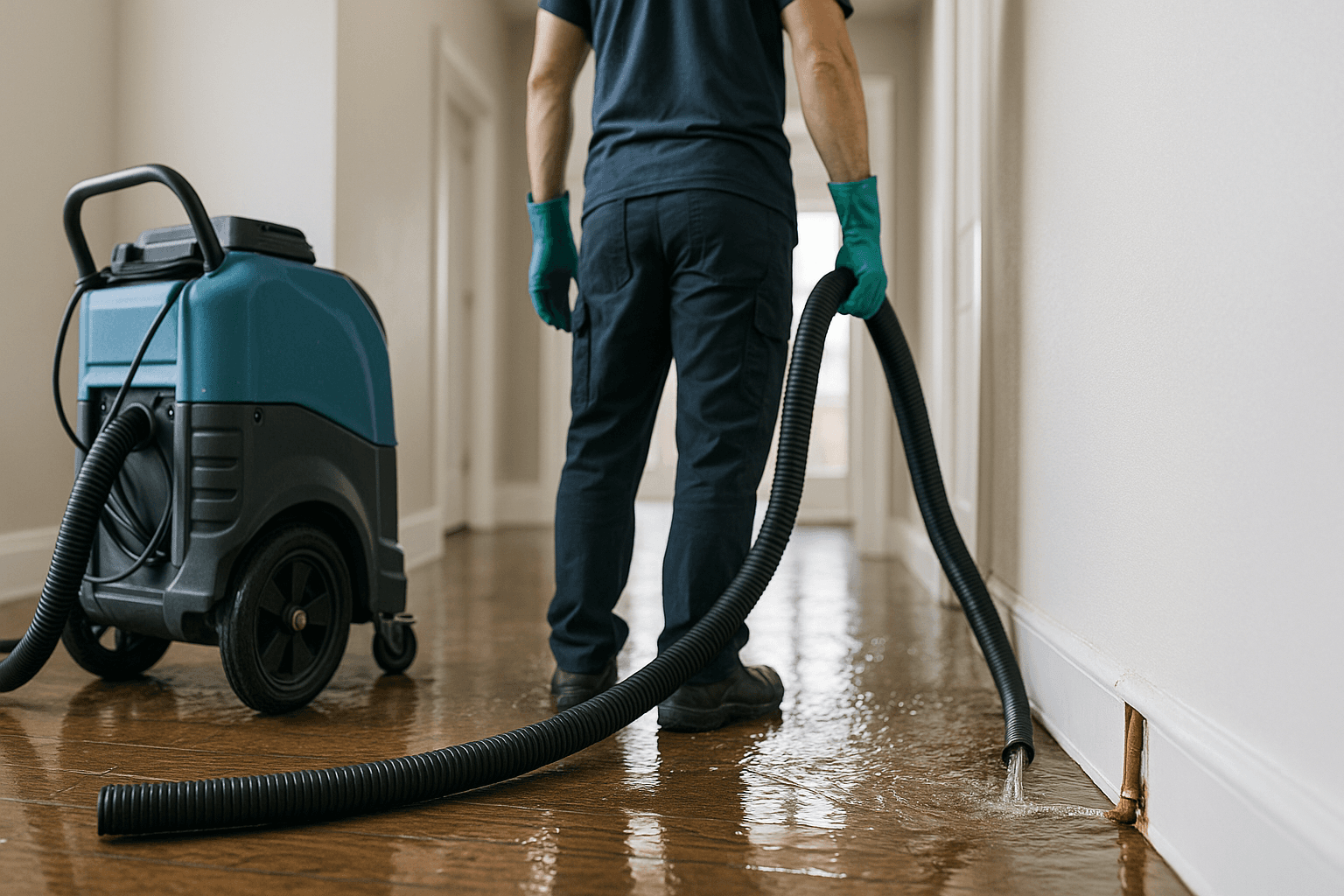
Burst Pipe Cleanup in Fort Collins, CO: What to Do Immediately After a Pipe Bursts
A pipe burst at 2 AM is the kind of emergency that costs tens of thousands - or a few hundred - depending on the first 15 minutes. Here is exactly what to do, in order.
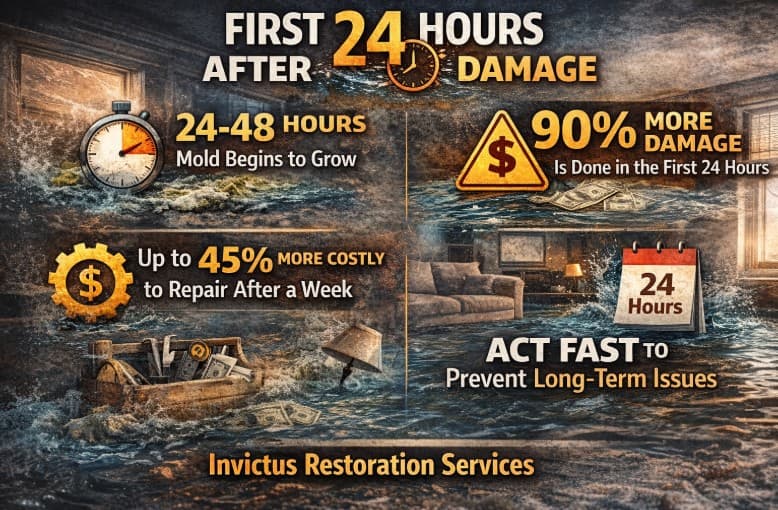
What to Do in the First 24 Hours After Water Enters Your Home
When water enters your house, it represents an unforeseen nightmare for all owners. Whether due to a broken pipe, appliance failure, flooding from rainfall, or broken sewer lines, the first 24 hours of responding to a request for restoration of water in your home are the most important to minimize damage to your property and encourage safe repairs.
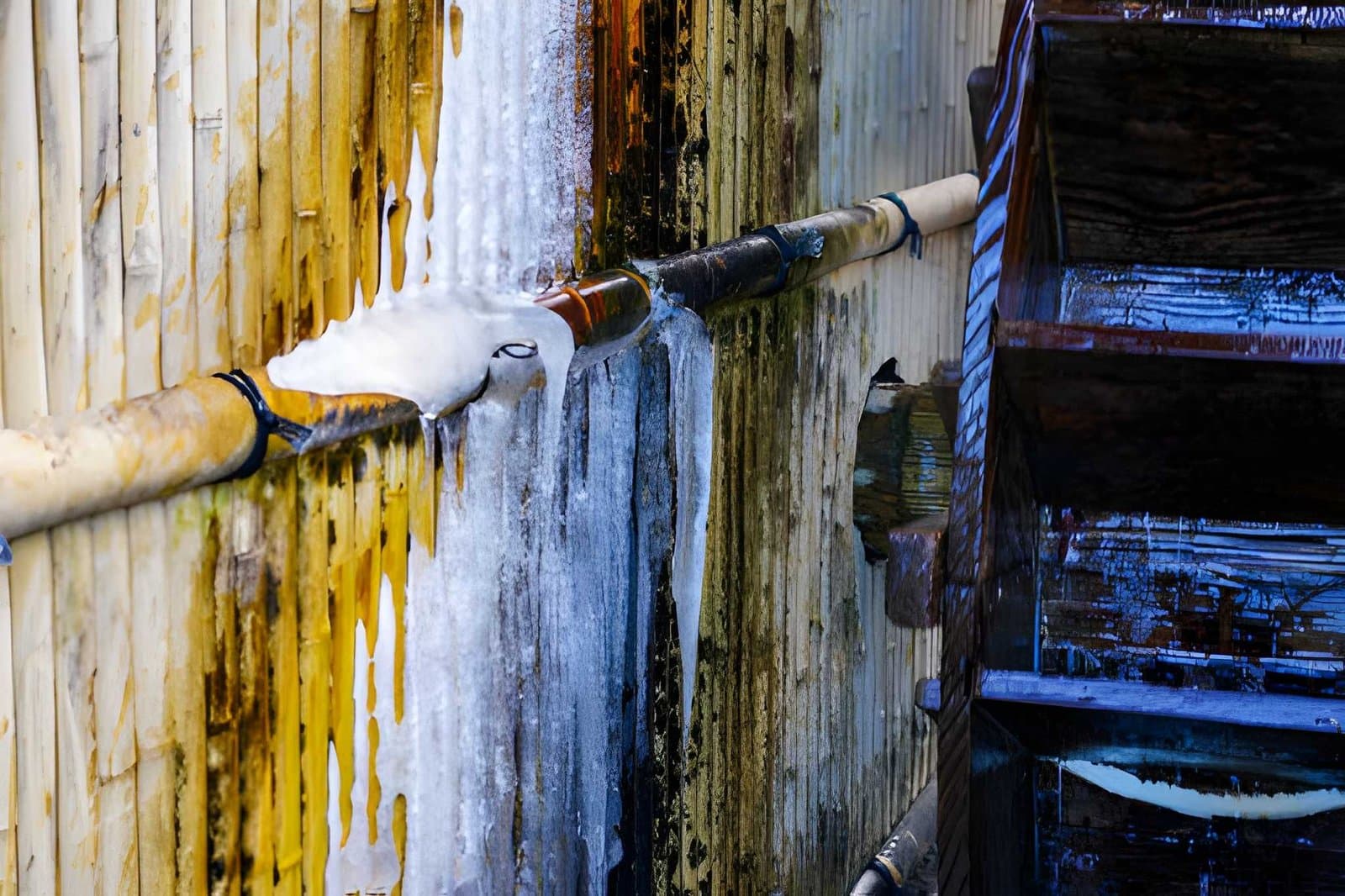
How to Prevent Frozen Pipes in Fort Collins
Fort Collins winters can freeze and burst your pipes. Learn simple steps to prevent frozen pipes and protect your home from costly water damage.