

Smoke Smell After a Fire: Odor Removal in Fort Collins
Even after a small fire, the smoke smell can haunt a home. That odor soaks into walls, carpet, and ductwork. In Fort Collins, wildfire and house fires both leave it behind. Air fresheners only mask it for a while. Here is what actually removes smoke odor for good.
Key Takeaways
- Smoke odor clings to porous materials like drywall, carpet, and fabrics.
- Ventilation and cleaning help, but deep odor often needs professional gear.
- Lingering smoke smell can signal harmful residue, so do not just mask it.
Why Smoke Smell Lingers
Smoke is made of tiny, oily particles. They settle into every porous surface in a home. The smell hides in walls, insulation, and HVAC ducts. That is why the odor returns after you air things out. The EPA notes smoke particles affect indoor air quality long after a fire.
What You Can Do Yourself
Start with ventilation and surface cleaning:
- Open windows and run fans to move air out.
- Wipe walls and surfaces with a mild detergent solution.
- Place bowls of baking soda or activated charcoal in rooms.
- Wash or dry-clean all affected fabrics.
- Replace HVAC filters and avoid running the system at first.
The American Red Cross suggests a detergent or tri-sodium phosphate solution for soot.
When You Need a Professional
Deep smoke odor rarely clears with cleaning alone. Pros use thermal fogging, ozone, and hydroxyl generators. They also clean ductwork and seal in stubborn odor. Professional fire damage restoration in Fort Collins reaches odor that DIY cleaning cannot. Our smoke damage restoration process targets the source, not just the air.
Natural Odor Neutralizers That Actually Work
Before renting heavy gear, try a few proven absorbers. They will not fix deep odor, but they help light cases. They also buy time before the pros arrive.
Baking Soda and Activated Charcoal
Set out shallow bowls of baking soda in each room. Activated charcoal absorbs odor the same way over several days. Sprinkle baking soda on carpet, then vacuum it up.
White Vinegar
Place bowls of undiluted white vinegar around affected rooms. The smell fades as the vinegar neutralizes the smoke odor. A vinegar and water mix also wipes soot off hard surfaces.
What to Throw Away After Smoke Damage
Some items are not worth saving after heavy smoke. Holding onto them only keeps the odor alive. Knowing what to toss speeds your recovery.
Food and Medicine
Throw out any food exposed to heat, smoke, or soot. Heat damages canned goods even when the can looks fine. Discard medicines and cosmetics that sat in the smoke.
Porous Soft Goods
Mattresses and pillows trap odor deep in their fibers. Heavily soiled rugs and stuffed items often cannot be saved. A restorer can tell you what is salvageable.
How Professionals Remove Deep Smoke Odor
Stubborn odor needs more than cleaning and absorbers. Restoration crews use equipment built to reach trapped particles. Each tool targets odor in a different way.
Thermal Fogging and Hydroxyl Generators
Thermal fogging chases odor into the same pores where smoke hides. Hydroxyl generators break down odor molecules in occupied rooms. Together they neutralize odor at its source.
Sealing and Duct Cleaning
Crews clean HVAC ductwork so the system stops spreading odor. They seal stubborn surfaces with an odor-blocking primer. Wildfire smoke that infiltrated Fort Collins homes often hides in these spots.
Cleaning Soot From Walls and Ceilings
Soot is the oily black film a fire leaves behind. It smears if you wipe it wrong and reactivates odor. The right method lifts it instead of spreading it.
Dry Soot First, Then Wash
Start by vacuuming loose soot with a brush attachment. Do not press the nozzle against the surface. A dry chemical sponge then lifts the film without smearing.
Use the Right Cleaning Solution
Wash remaining soot with a mild detergent or a tri-sodium phosphate mix. Work from the top down so streaks rinse away. Wear gloves and ventilate the room as you clean.
Clear the Air for Good
Smoke odor is a sign there is still work to do. Our Invictus Restoration Services team removes fire and smoke odor across Fort Collins. After a fire, our fire damage restoration team can restore your home and air. You can contact Invictus Restoration to get started.
Frequently Asked Questions
Untreated, it can linger for weeks or months. Porous materials hold the odor longest. Professional treatment clears it much faster.
Lingering smoke residue can irritate the lungs and eyes. It may contain harmful particles and chemicals. It is best to clean it, not just mask it.
Light odor may fade with lots of ventilation. Deep odor in walls and ducts usually does not. Those cases need professional treatment.
Paint alone often fails, as odor bleeds through. Surfaces must be cleaned and sealed first. A primer made for odor helps before painting.
Discard food, medicine, and cosmetics exposed to heat or smoke. Mattresses, pillows, and heavily soiled soft goods often cannot be saved. A restorer can confirm what is salvageable.
Yes, bowls of white vinegar help neutralize light smoke odor. A vinegar and water mix also wipes soot from hard surfaces. Deep odor in walls and ducts still needs professional gear.
Related Articles
You might also find these restoration tips helpful.
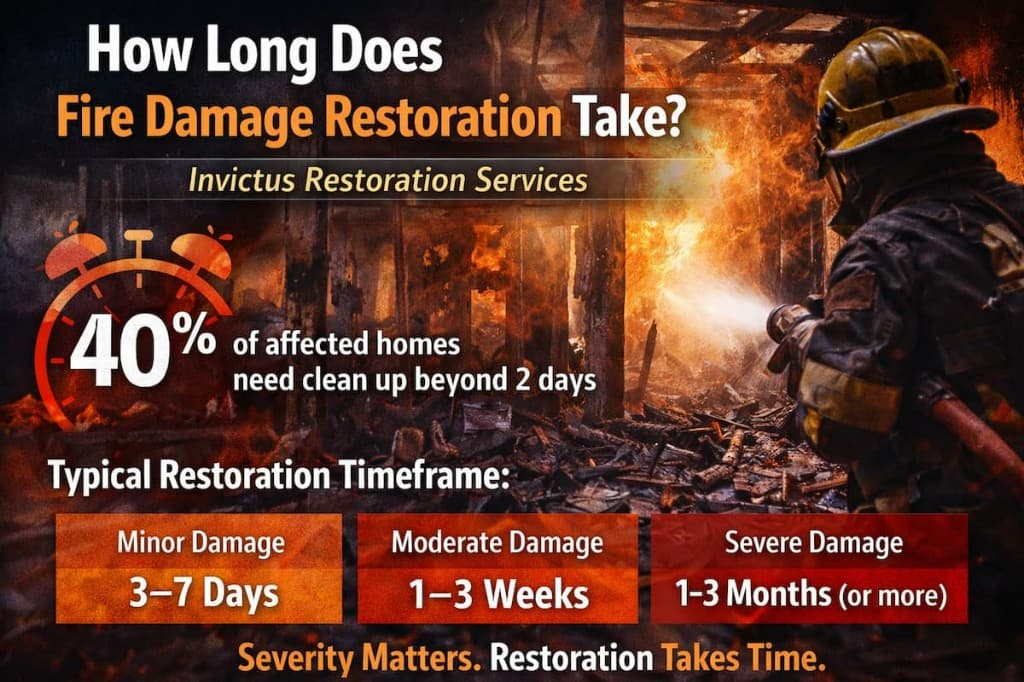
How Long Does Fire Damage Restoration Take?
Learn how long fire damage restoration takes in Fort Collins and what impacts the timeline from cleanup to full repair.
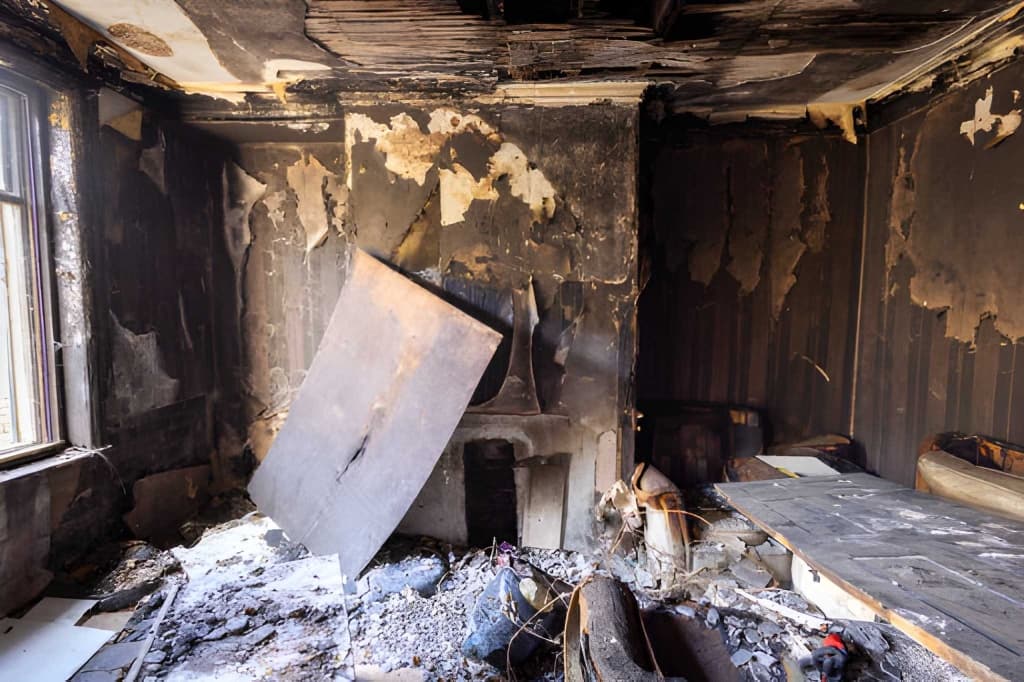
What to Do Immediately After a House Fire in Northern Colorado
The fire is out and everyone is safe, but the house in front of you doesn't look like home anymore. In the hours after a Northern Colorado house fire,...